

Modern healthcare excels at treating disease. Emergency care, diagnostics, and pharmacology save lives every day. Yet many of today’s most common health challenges—heart disease, type 2 diabetes, obesity, osteoporosis, and cognitive decline—do not begin as emergencies. They develop slowly, often over decades.
Exercise was never meant to be a last resort. From a Medical Exercise perspective, movement has always been foundational to health, function, and prevention. Long before advanced treatments existed, the human body relied on regular physical activity to maintain strength, resilience, and metabolic balance.
Exercise is not a replacement for medicine—but it was always meant to be first-line care.
The Medical Exercise Angle
Medical Exercise applies evidence-based physical activity to support health outcomes, functional capacity, and disease prevention. Rather than focusing on aesthetics or performance alone, this approach emphasizes how movement influences every major physiological system.
From this lens, exercise is evaluated not by intensity or trends, but by its ability to:
- Support cardiovascular and metabolic health
- Preserve strength, mobility, and independence
- Improve immune and cognitive function
- Reduce risk factors associated with chronic disease
Exercise functions as a systems-wide intervention—something few medical treatments can claim.
- Why Exercise Belongs at the Front of Care

Regular physical activity positively influences cardiovascular health, glucose regulation, musculoskeletal strength, immune function, and brain health. According to general exercise science guidelines, moderate-intensity activity performed consistently supports the body’s ability to adapt to physical and metabolic stress.
No single medication improves heart health, muscle strength, balance, cognition, and mood simultaneously. Exercise does.

2. Most Chronic Disease Is Lifestyle-Influenced
Many chronic conditions develop gradually, influenced by long-term patterns of inactivity, poor nutrition, and unmanaged stress. While medical treatment is often necessary, movement addresses root contributors rather than symptoms alone.
From a preventive standpoint, exercise helps:
- Improve insulin sensitivity
- Reduce systemic inflammation
- Maintain healthy body composition
- Preserve functional capacity with aging
This positions exercise as a proactive tool—rather than a reactive one.
3. Function Is a Health Metric
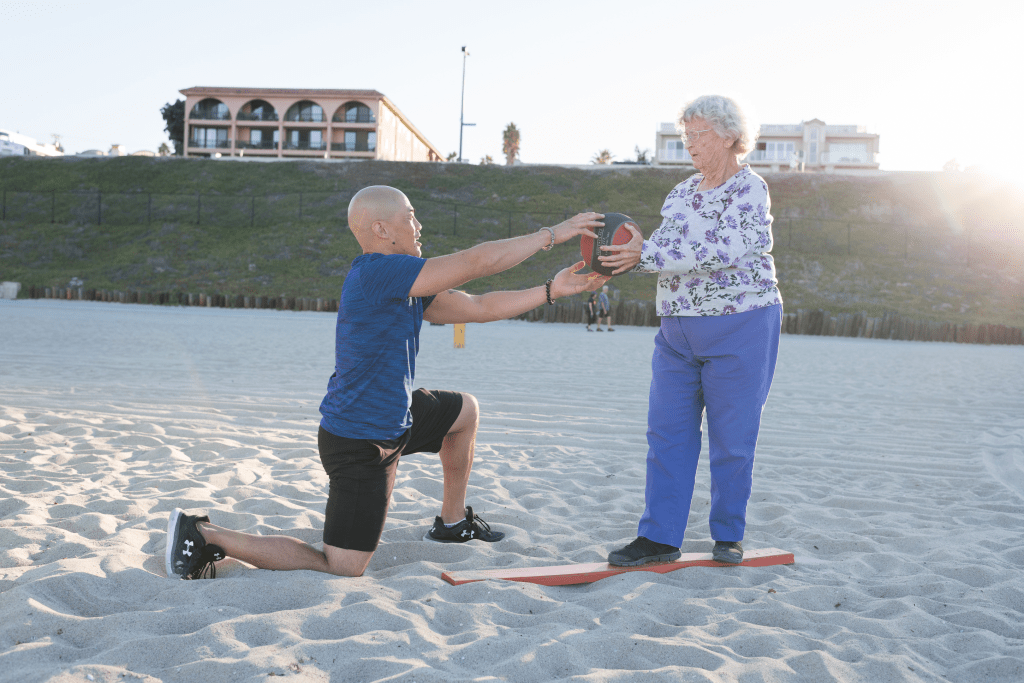
Health is not measured solely by lab values or imaging. The ability to perform daily activities—walking, lifting, standing, balancing—is a powerful indicator of wellness.
Medical Exercise prioritizes functional outcomes such as:
- Maintaining independence
- Reducing fall risk
- Supporting continued participation in work and life roles
When function declines, healthcare involvement increases. Exercise helps preserve function before decline begins.
4. Exercise Was Always Preventive by Design
Human physiology evolved around movement. Regular physical activity is not an optional behavior—it is a biological expectation. When movement is removed, systems weaken. When it is restored, systems adapt and improve.
This is why exercise aligns so closely with prevention-focused healthcare. It supports the body’s natural ability to regulate, repair, and adapt over time.
Important Health Disclaimer:
This article is for educational purposes only and is not intended to replace medical advice, diagnosis, or treatment. Individuals with chronic conditions, recent medical procedures, or new or worsening symptoms should consult a qualified healthcare provider before beginning or modifying physical activity.
Exercise should follow general evidence-based guidelines, with intensity and progression adjusted appropriately by healthcare or qualified exercise professionals when indicated.
Practical Takeaways
- Exercise is a foundational health intervention, not a trend
- Movement supports nearly every physiological system
- Prevention begins long before symptoms appear
- Function and independence are meaningful health outcomes
- Consistency matters more than intensity
Exercise does not replace medicine—but it often determines how much medicine is needed later.
References
- American College of Sports Medicine (ACSM). ACSM’s Guidelines for Exercise Testing and Prescription
- U.S. Department of Health and Human Services. Physical Activity Guidelines for Americans
- World Health Organization (WHO). Guidelines on Physical Activity and Sedentary Behaviour

Discover more from Valarie Walton
Subscribe to get the latest posts sent to your email.