
When most people think about healthcare, they think about hospitals, doctors, medications, and medical procedures.
Those services are incredibly important.
But what if one of the most powerful tools for improving health isn’t found in a prescription bottle?
What if it’s movement?
Exercise has long been recognized for its ability to support cardiovascular health, mobility, strength, mental well-being, and overall quality of life. Yet exercise is often treated as something separate from healthcare rather than an essential part of it.
As a Medical Exercise Specialist, I believe it is time to ask an important question:
Should exercise be part of the healthcare continuum?
I believe the answer is yes.
What Is the Healthcare Continuum?
The healthcare continuum refers to the services people receive throughout different stages of health and illness.
It includes:
- Prevention
- Early intervention
- Medical treatment
- Recovery
- Long-term health management
Traditionally, exercise has been viewed as something people do after medical care.
But perhaps it should be viewed as something that belongs throughout the entire process.
1. Exercise Supports Prevention
Many chronic conditions develop gradually over time.
Physical inactivity, loss of strength, reduced mobility, and poor fitness levels can contribute to declining health.
Regular movement helps support:
- Heart health
- Metabolic health
- Mobility
- Functional capacity
- Quality of life
In many ways, exercise serves as a proactive strategy rather than a reactive one.
2. Exercise Supports Recovery
After illness, injury, or medical treatment, people often need help rebuilding strength, endurance, and confidence.
Appropriately guided movement can help individuals regain function and return to meaningful activities.
This is where Medical Exercise often fills an important gap between rehabilitation and traditional fitness.
3. Exercise Supports Long-Term Health Management
Health is not a destination.
It is an ongoing process.
Regular movement helps support the body across the lifespan by encouraging strength, mobility, balance, endurance, and resilience.
The goal is not simply to live longer.
The goal is to live better.
4. Healthcare Needs Both Reactive and Proactive Solutions
Modern healthcare is exceptional at treating illness and managing emergencies.
But long-term health also requires proactive strategies.
This is where exercise fits.
Healthcare and fitness should not compete with one another.
They should work together.
One treats disease.
The other helps build health.
Both are valuable.
Bridging the Gap
For years, healthcare and fitness have often operated in separate worlds.
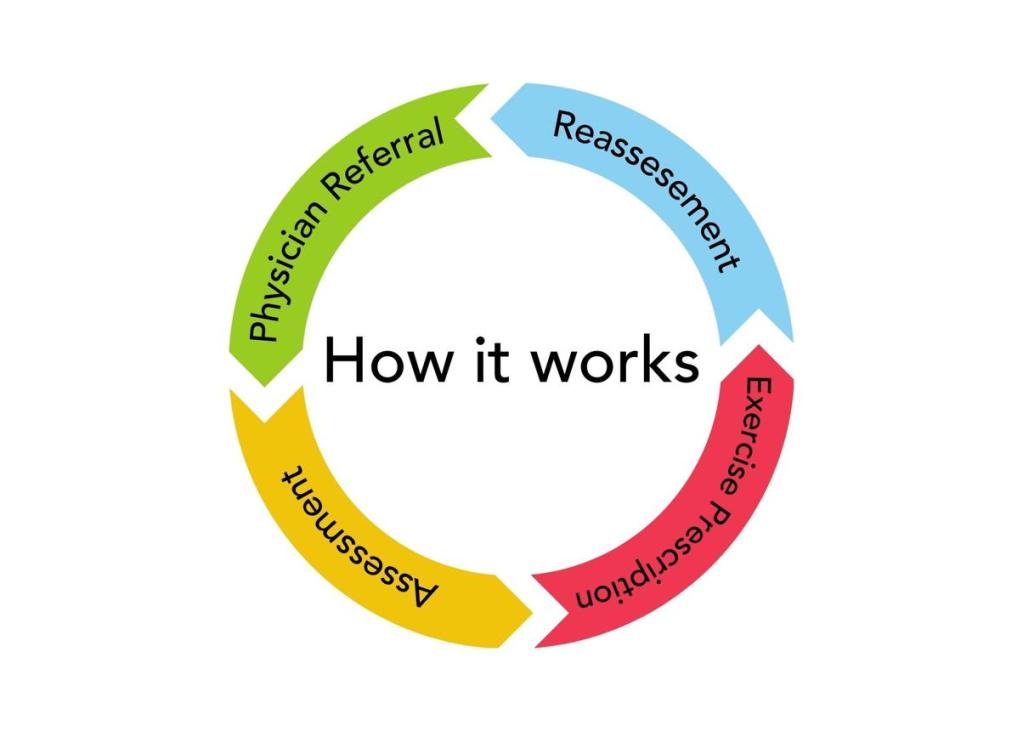
Medical Exercise represents a bridge between those worlds.
By focusing on evidence-based movement, prevention, function, and long-term health, Medical Exercise helps individuals continue their health journey beyond the doctor’s office.
This is not about replacing healthcare.
It is about supporting it.
Practical Takeaways
- Exercise supports prevention
- Exercise supports recovery
- Exercise supports long-term health management
- Healthcare benefits from proactive and reactive approaches
- Movement belongs throughout the healthcare continuum
Final Thought
Healthcare is essential.
Exercise is essential.
The future of health may not be choosing one or the other.
It may be learning how they work together.
Exercise is medicine—and it deserves a seat at the healthcare table.
Committed to your Strength, Health and Wellness,
Valarie 🙂
Discover more from Valarie Walton
Subscribe to get the latest posts sent to your email.