

Strength training is often associated with athletic performance or physical appearance, but its value extends far beyond aesthetics. From a health perspective, maintaining muscle strength is one of the most important factors in preserving mobility, independence, and metabolic health throughout life.
As individuals age, gradual loss of muscle mass and strength—often referred to as age-related muscle decline—can contribute to reduced mobility, increased fall risk, and decreased ability to perform everyday tasks. Fortunately, regular strength training can help slow or counter many of these changes.
From a Medical Exercise perspective, strength training is not simply a fitness activity. It is a preventive strategy that supports long-term health and functional capacity.
The Medical Exercise Angle
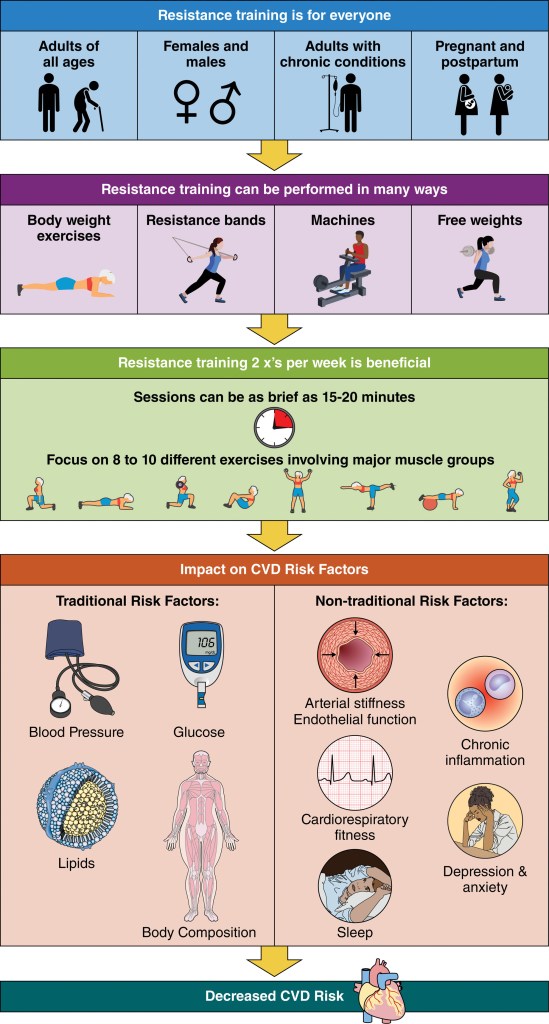
Medical Exercise focuses on evidence-based physical activity that improves health outcomes and preserves physical function. Within this framework, resistance training plays a critical role because it helps maintain the musculoskeletal system that supports daily movement.
Strength training supports:
- Muscle mass and strength
- Bone density
- Joint stability
- Metabolic health
- Functional capacity for daily activities
These adaptations help maintain the body’s ability to perform basic movements such as lifting, standing, carrying, and climbing stairs—activities essential for independent living.
Why Strength Training Matters for Health
- Muscle Is a Health Organ
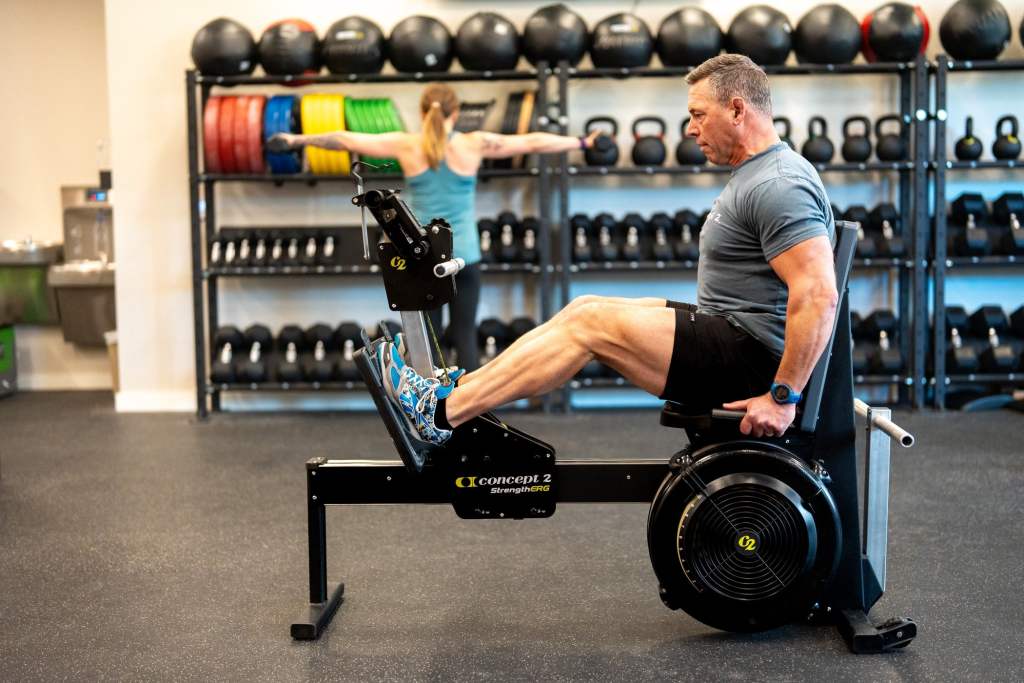
Muscle tissue plays an important role in metabolism, energy use, and glucose regulation. Maintaining muscle mass helps the body manage blood sugar, supports healthy body composition, and contributes to overall metabolic function.
Strength training stimulates the muscles, encouraging them to maintain strength and size. This process supports metabolic efficiency and can contribute to long-term health when combined with other healthy lifestyle habits.
2. Strength Supports Independence
Many everyday activities depend on strength. Standing from a chair, carrying groceries, climbing stairs, and maintaining balance all require adequate muscle function.
When strength declines, daily tasks may become more difficult. Over time, this can lead to reduced independence and increased reliance on assistance.
Regular strength training helps preserve the physical capacity needed to perform daily activities safely and confidently.
3. Strength Training Supports Bone Health
Bones respond positively to mechanical stress placed on them during resistance exercise. Strength training can help stimulate bone maintenance and support skeletal health, which becomes particularly important as individuals age.
Maintaining bone strength contributes to reducing the risk of fractures and supporting overall mobility.
4. Strength Training Encourages Functional Movement

Many resistance exercises mimic movements performed in everyday life. Squatting, lifting, pushing, and pulling all reflect common functional tasks.
Training these movements in a controlled environment helps the body maintain coordination, stability, and muscular control—skills that contribute to safer movement patterns during daily activities.
Important Health Disclaimer
This article is for educational purposes only and is not intended as medical advice, diagnosis, or treatment. Individuals with chronic health conditions, recent injuries, or medical procedures should consult a qualified healthcare provider before beginning or modifying strength training.
Exercise intensity and technique should follow general evidence-based guidelines and may require guidance from qualified exercise professionals.
Practical Takeaways
- Strength training supports muscle, bone, and metabolic health
- Maintaining strength helps preserve independence and mobility
- Functional movement patterns improve daily activity performance
- Consistency in resistance training supports long-term health
- Muscle strength is an important component of healthy aging
Strength training may not always receive the same attention as other forms of exercise, but its impact on health and function is substantial. When practiced consistently, it helps support the body’s ability to move, adapt, and remain active throughout life.
Committed to your Strength, Health and Wellness,
Valarie!
References
American College of Sports Medicine (ACSM). ACSM’s Guidelines for Exercise Testing and Prescription.
U.S. Department of Health and Human Services. Physical Activity Guidelines for Americans.
World Health Organization (WHO). Guidelines on Physical Activity and Sedentary Behaviour.
Discover more from Valarie Walton
Subscribe to get the latest posts sent to your email.